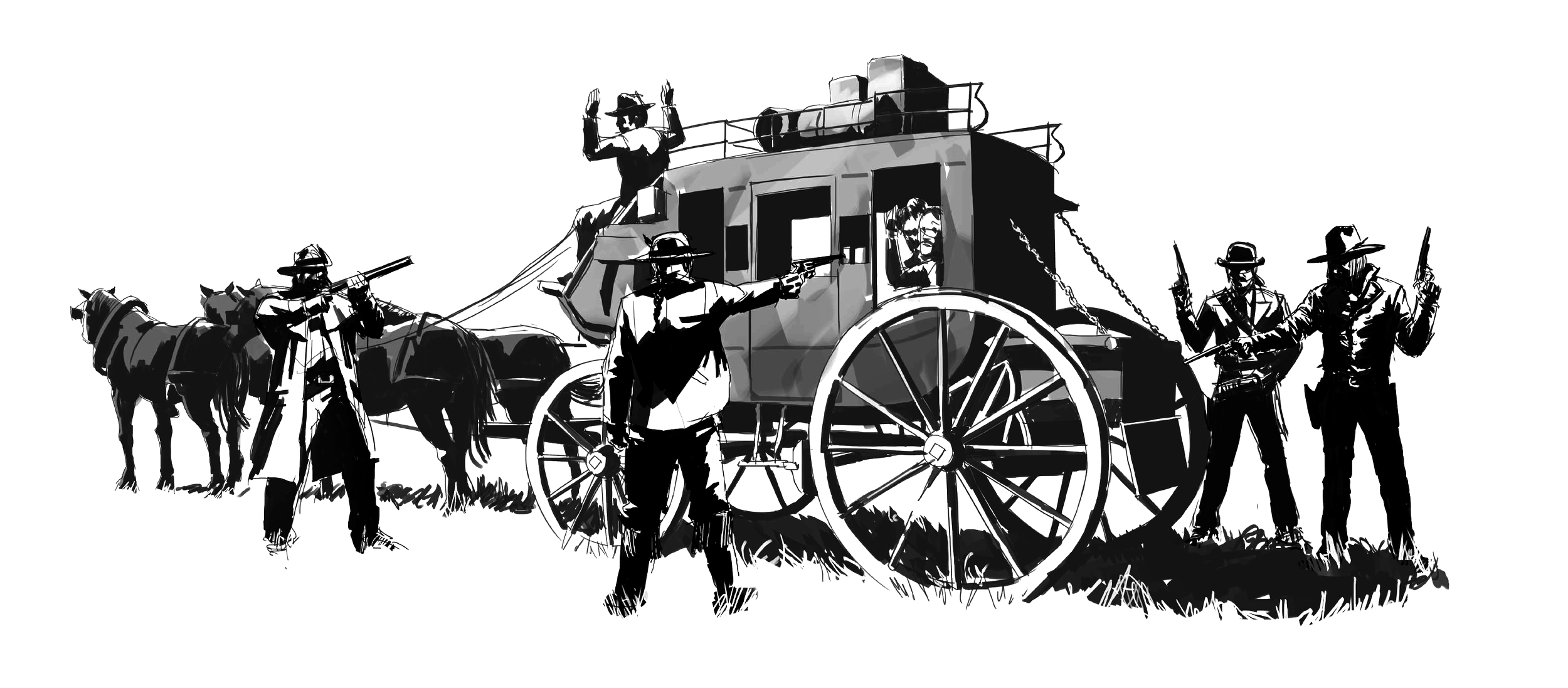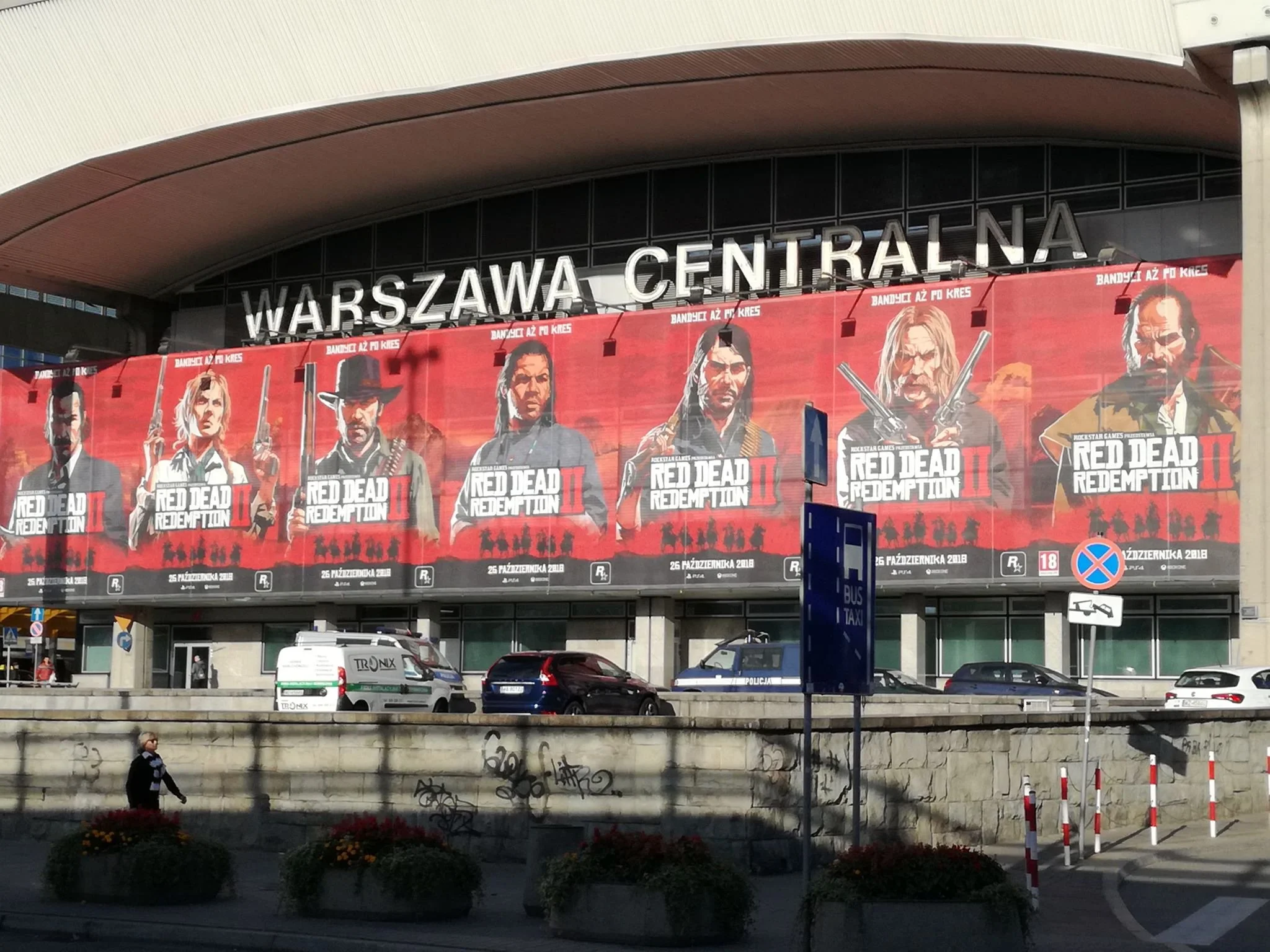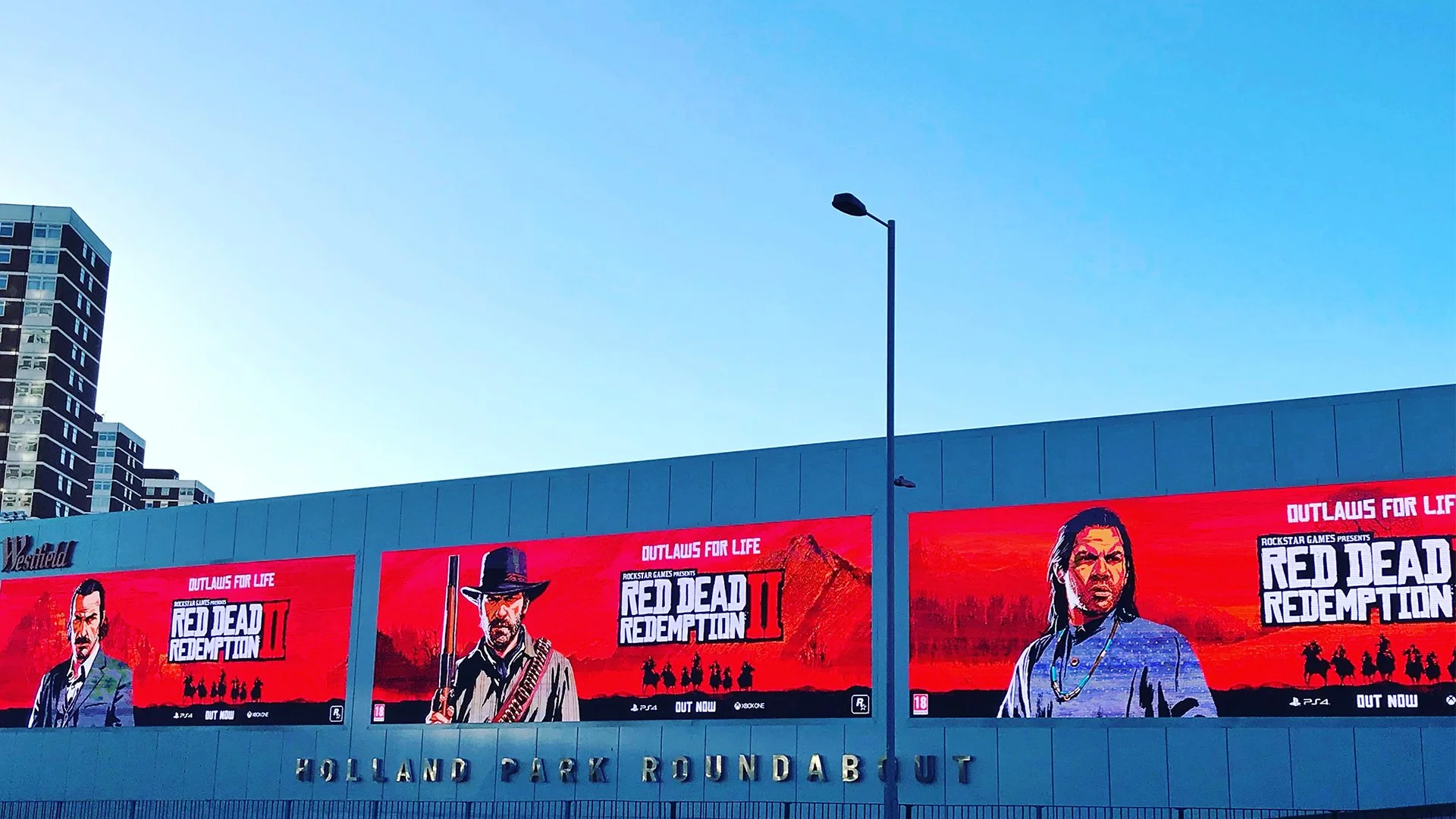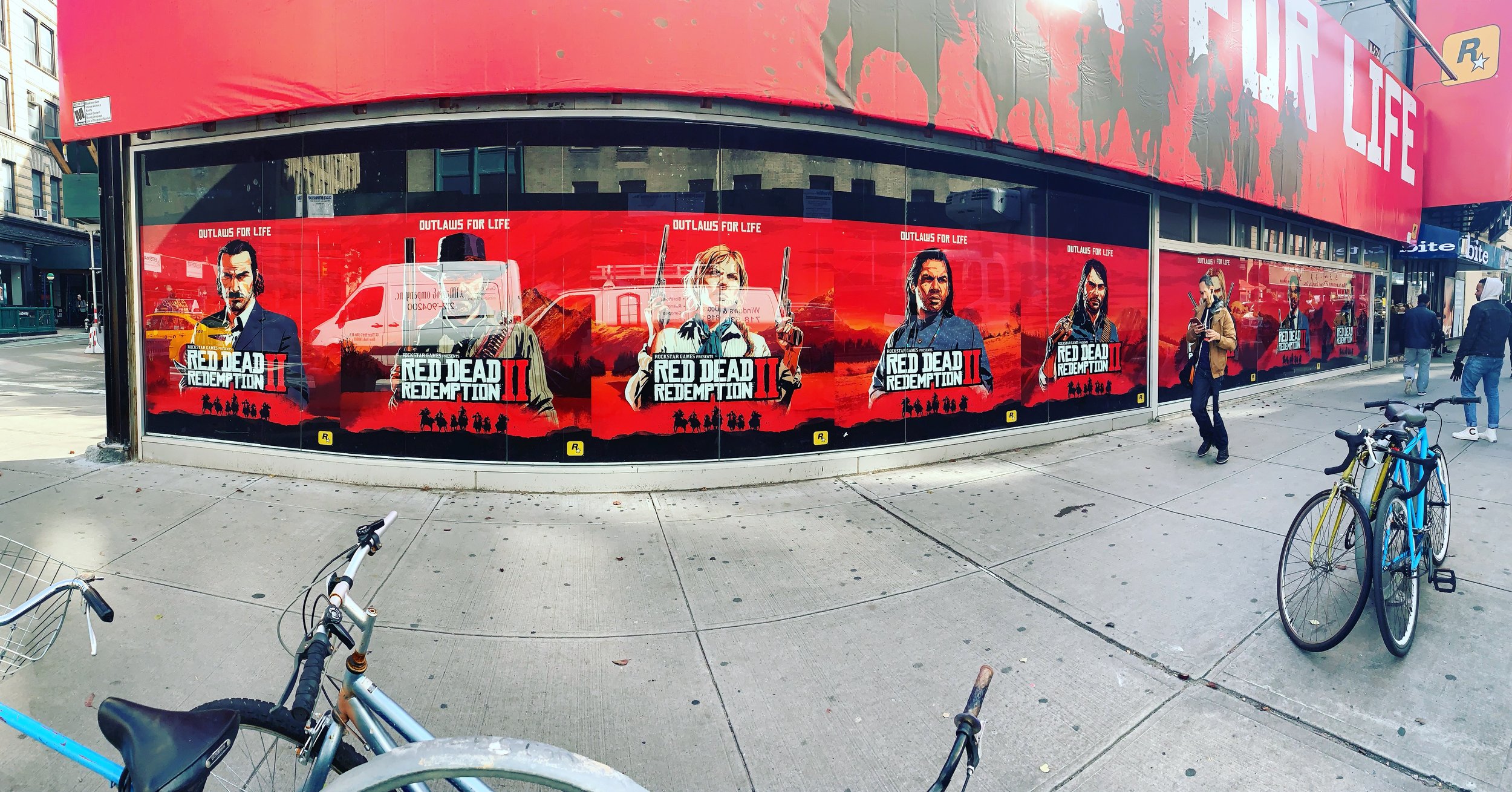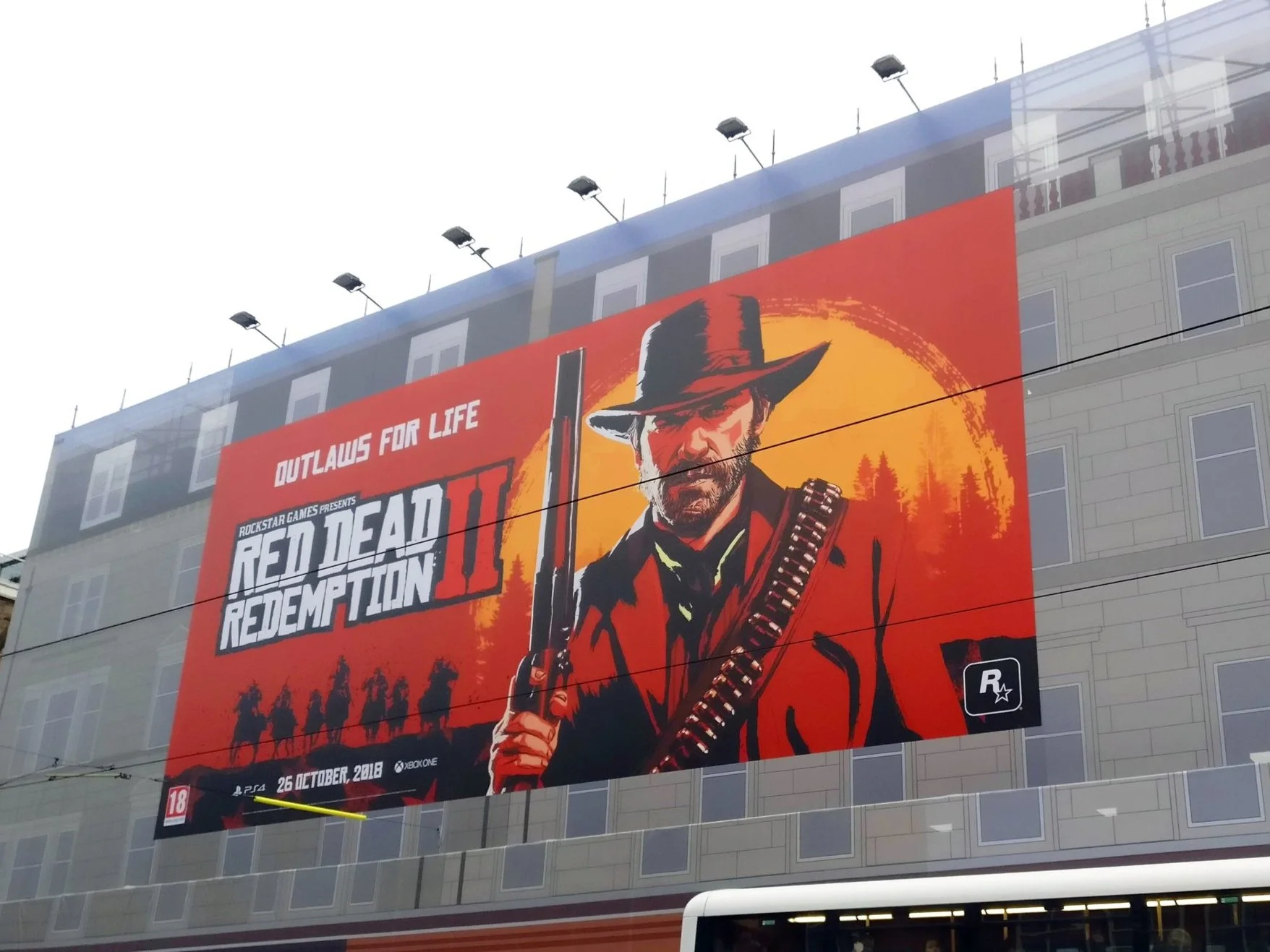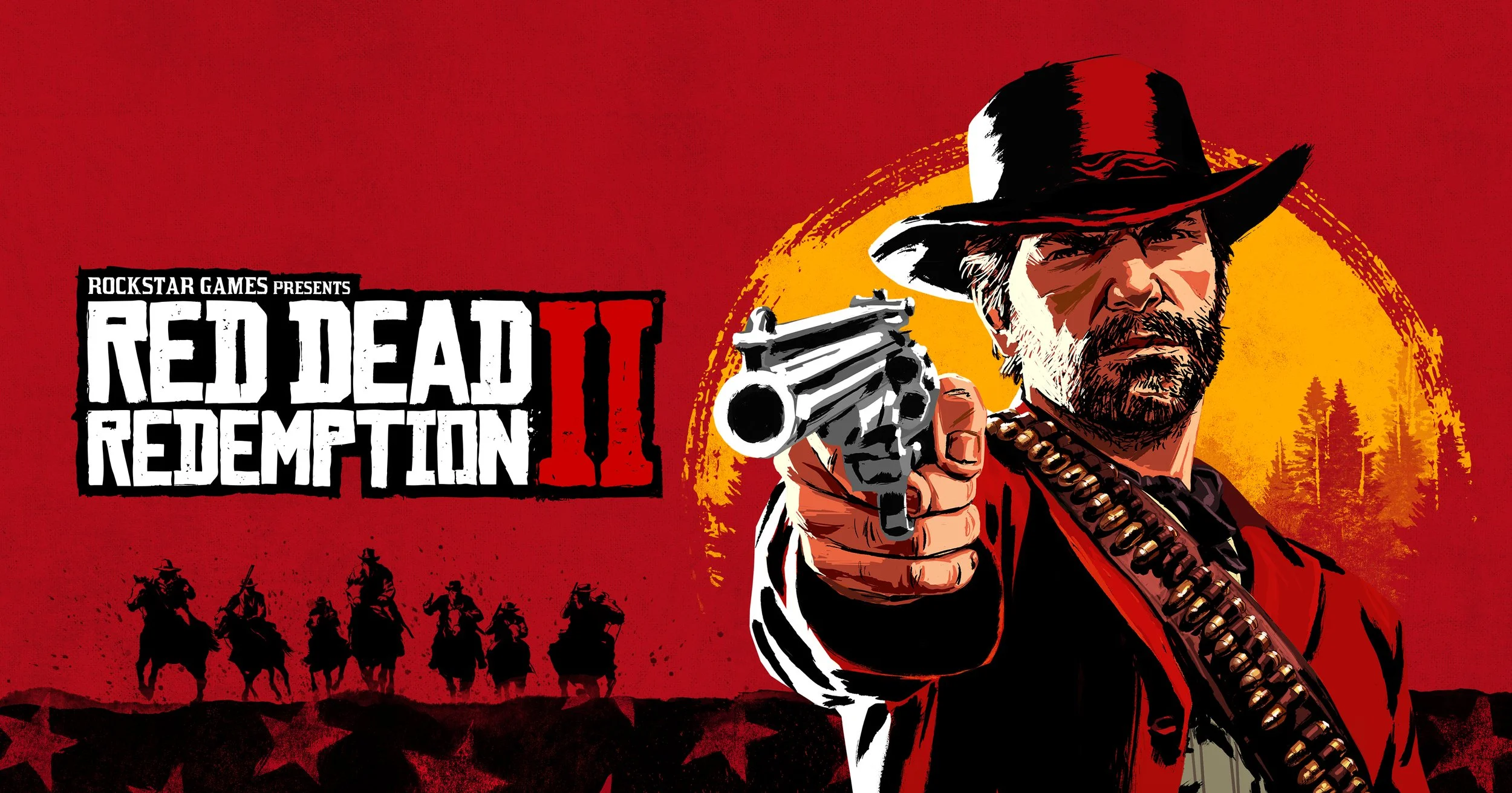

Red Dead Redemption II is the highly anticipated sequel to Rockstar Games’ critically acclaimed Red Dead Redemption. In developing the key art and broader campaign, my goal was to distill what made the original so iconic while evolving it for a new generation. I built on the bold, graphic language established by the first game, pairing it with the sequel’s heightened sense of realism and cinematic scope. Drawing from classic spaghetti western posters and the films that inspired the narrative, I aimed to create a visual identity that felt both timeless and unmistakably modern.
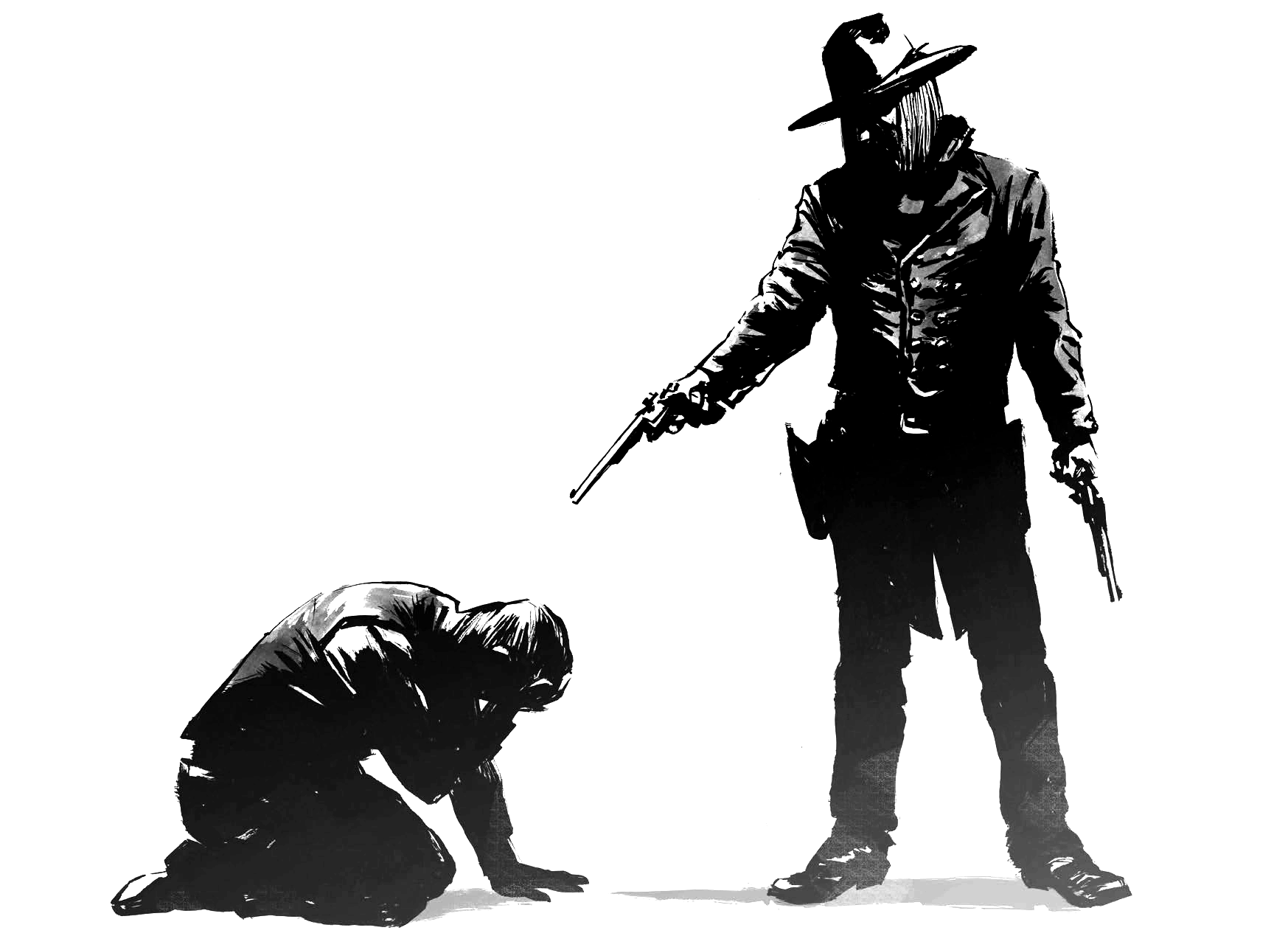
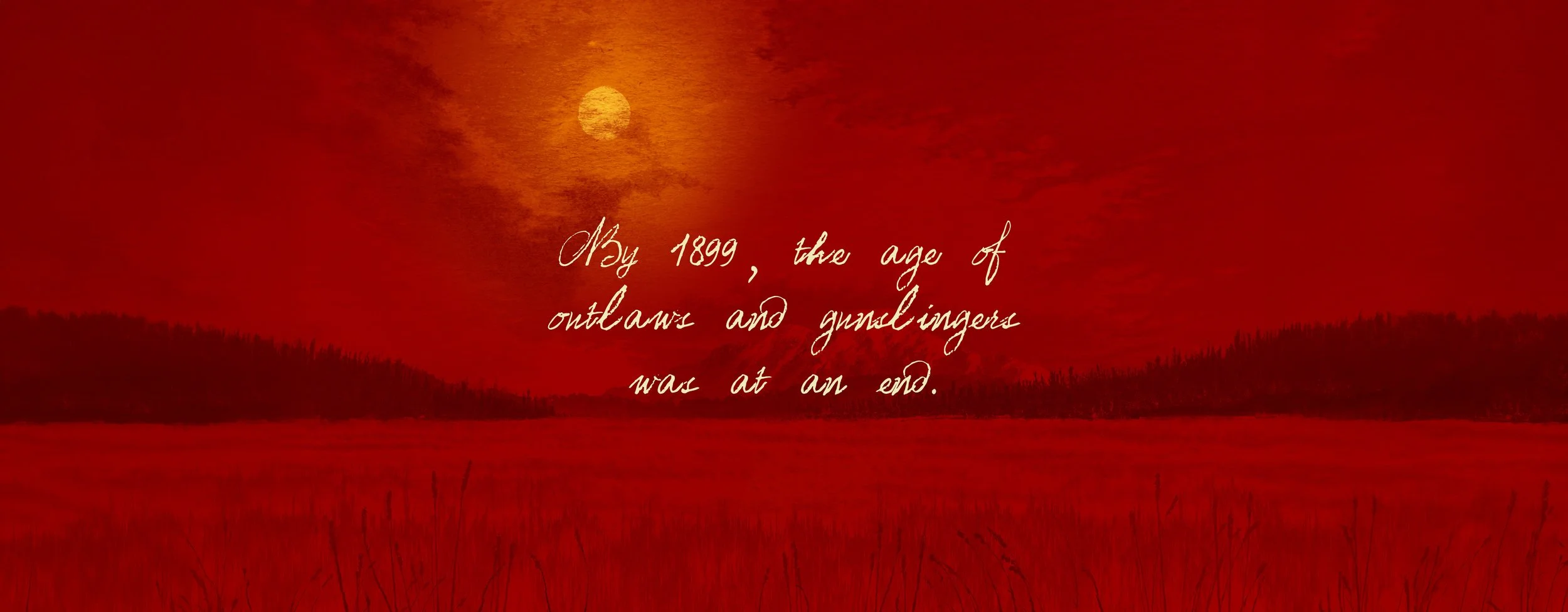
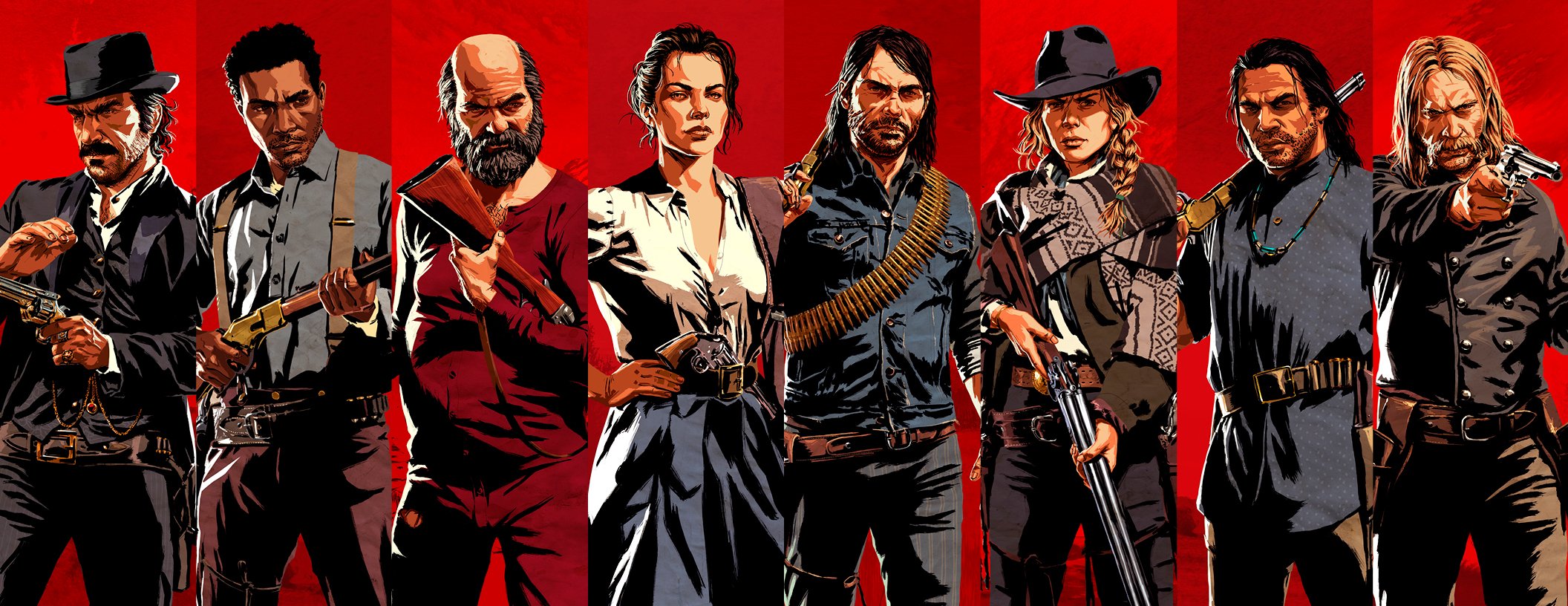
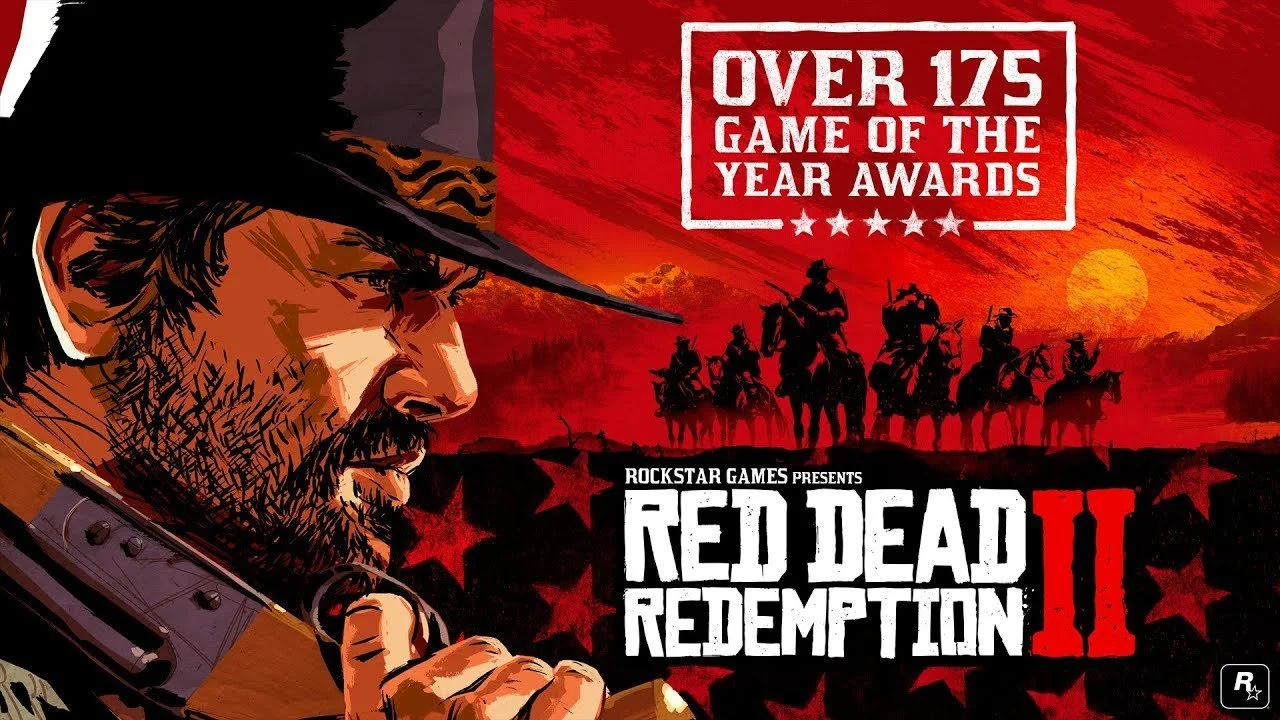
The campaign was designed to balance clarity with scale. At its center is Arthur Morgan, framed as both a mythic gunslinger and a deeply human character, allowing players to immediately connect with the emotional core of the story. Surrounding him, we layered in the Van der Linde gang and the sweeping frontier landscapes to communicate the breadth of the experience. Each composition was carefully constructed to evoke tension, movement, and possibility—capturing the feeling of a world on the edge of transformation.



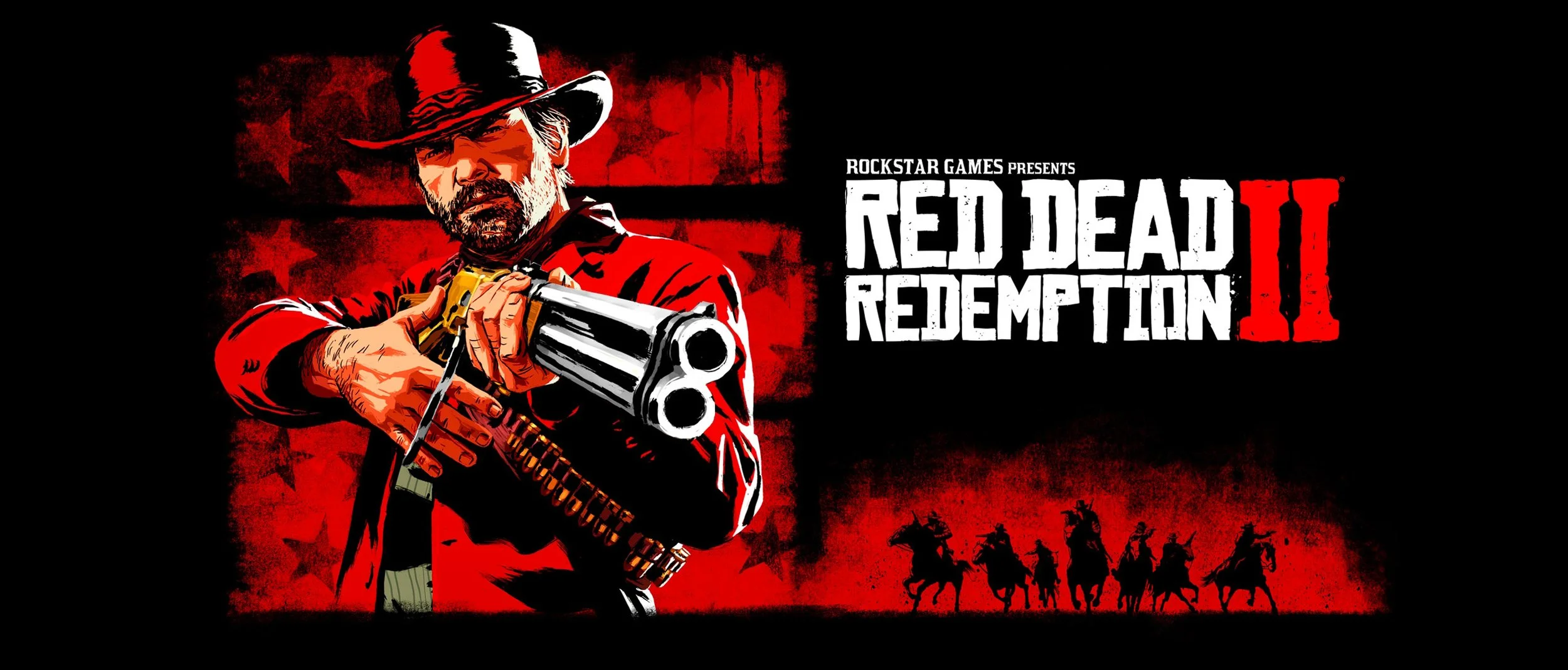
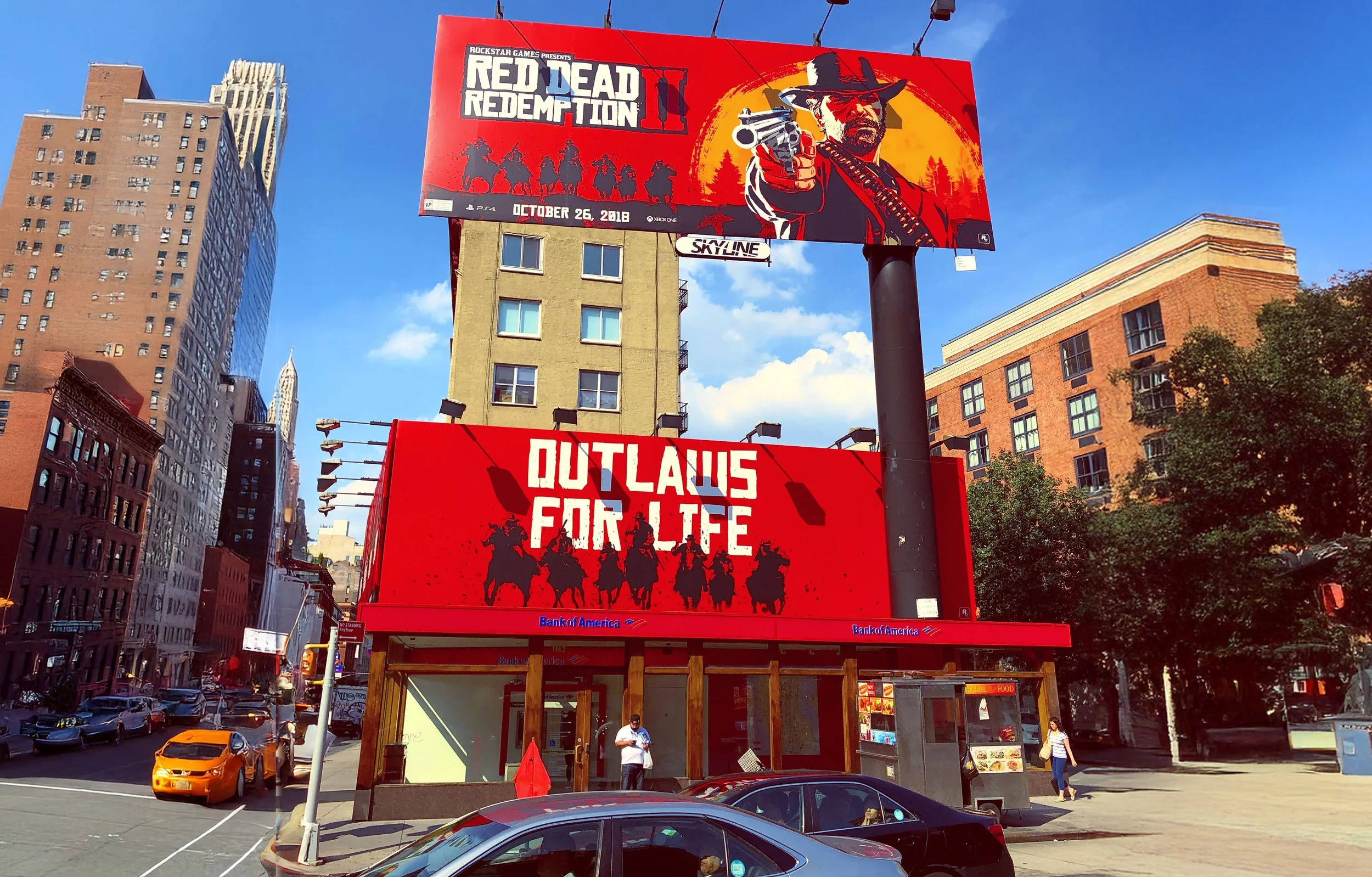
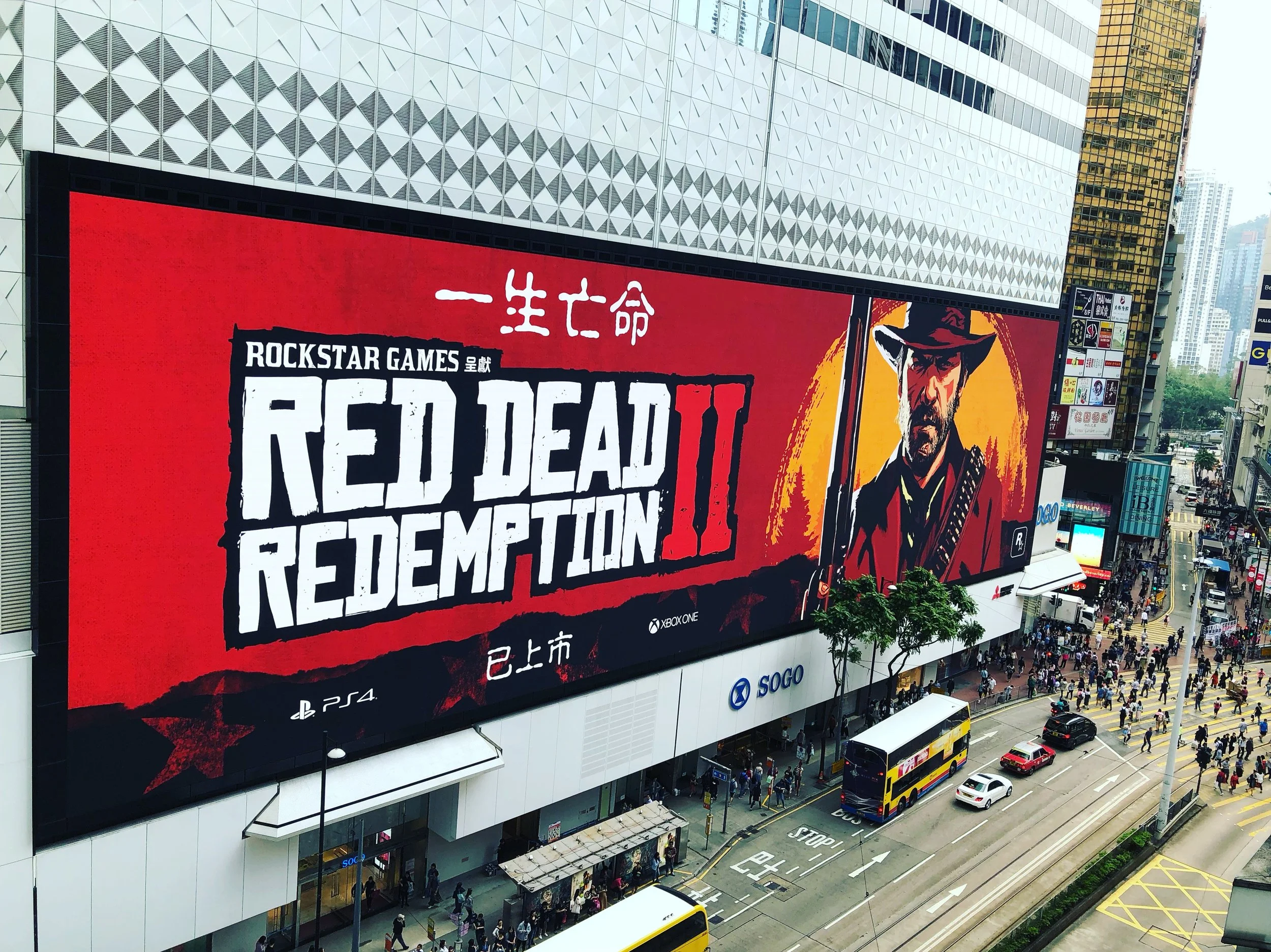
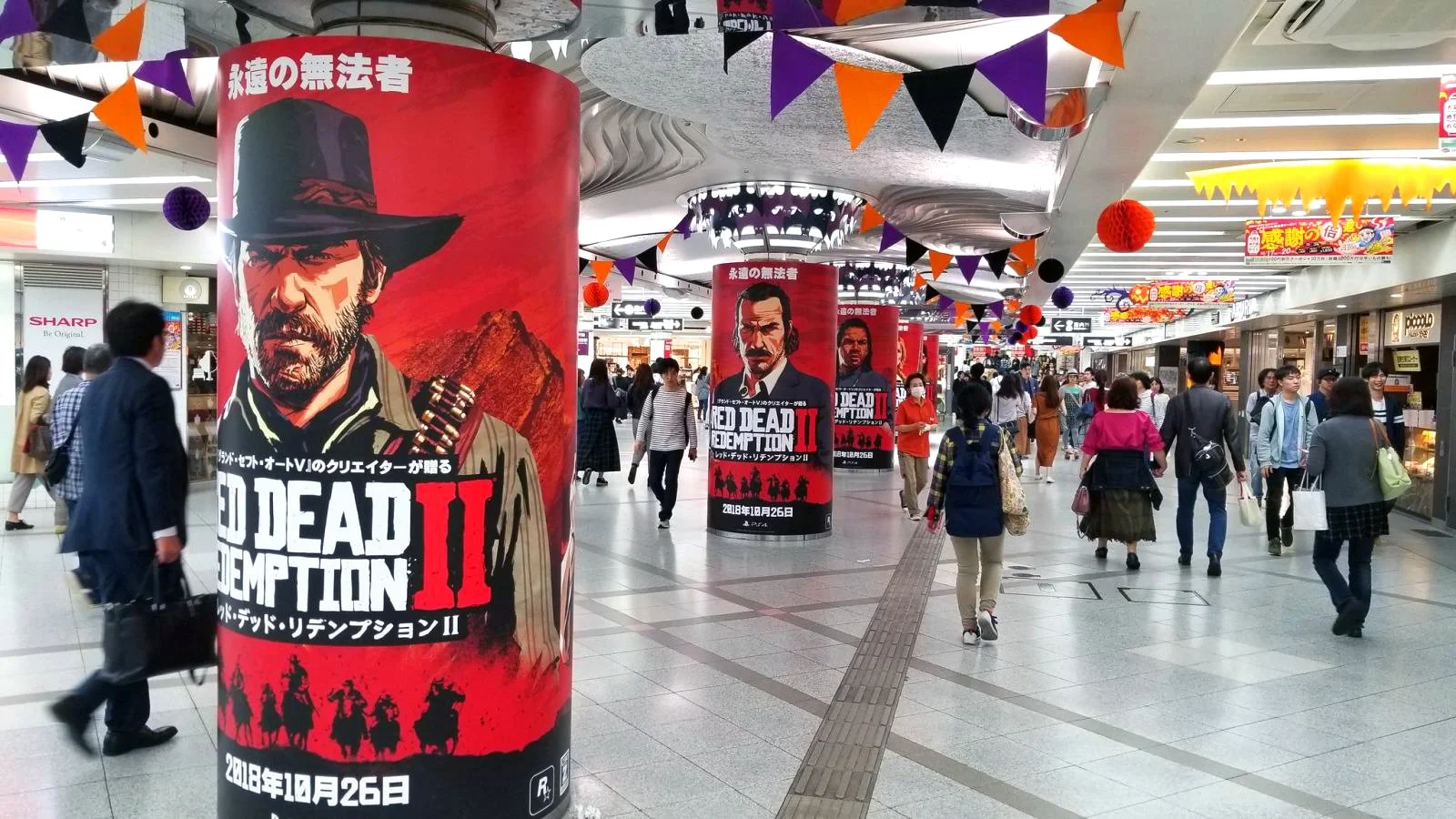
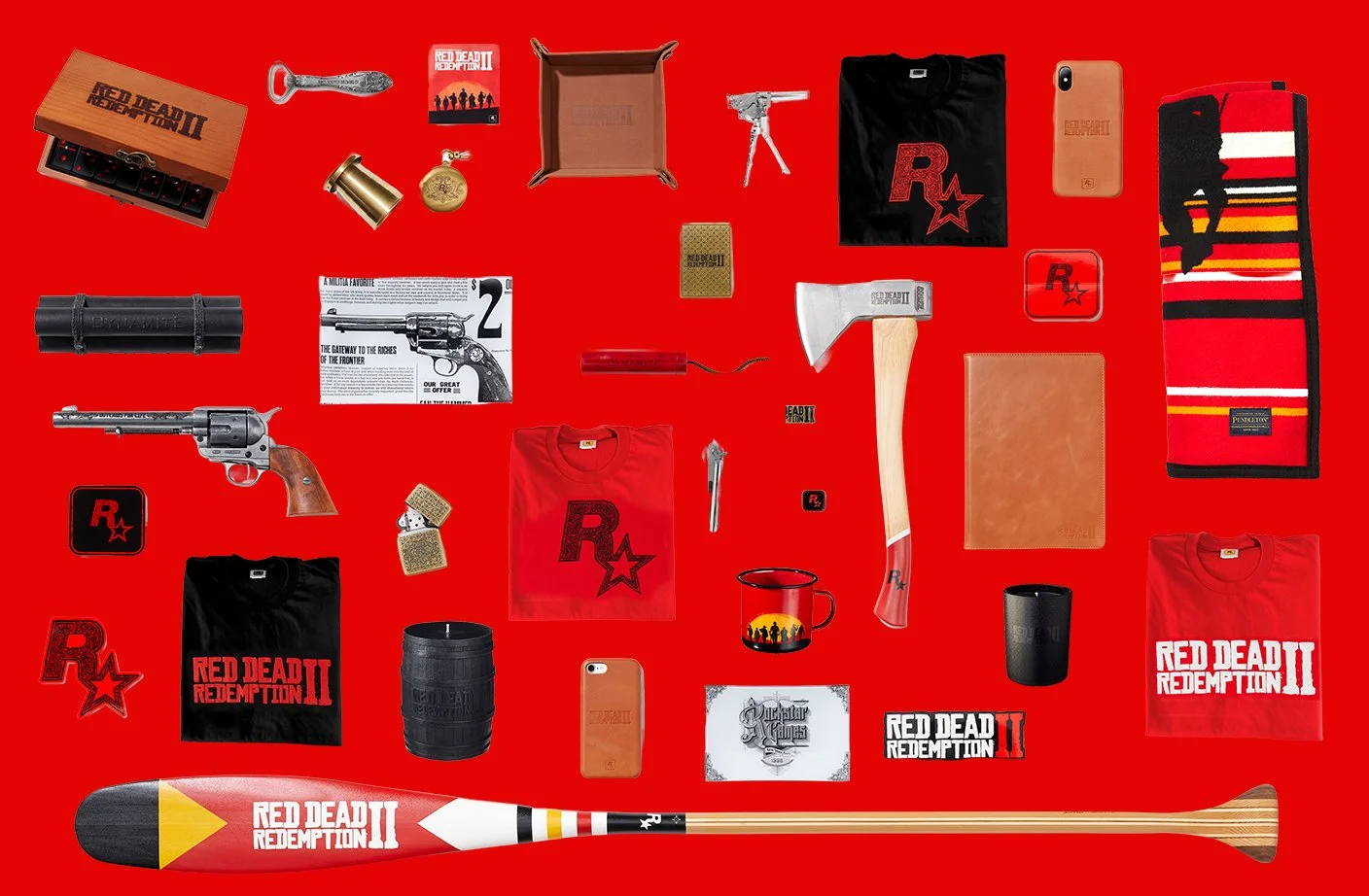
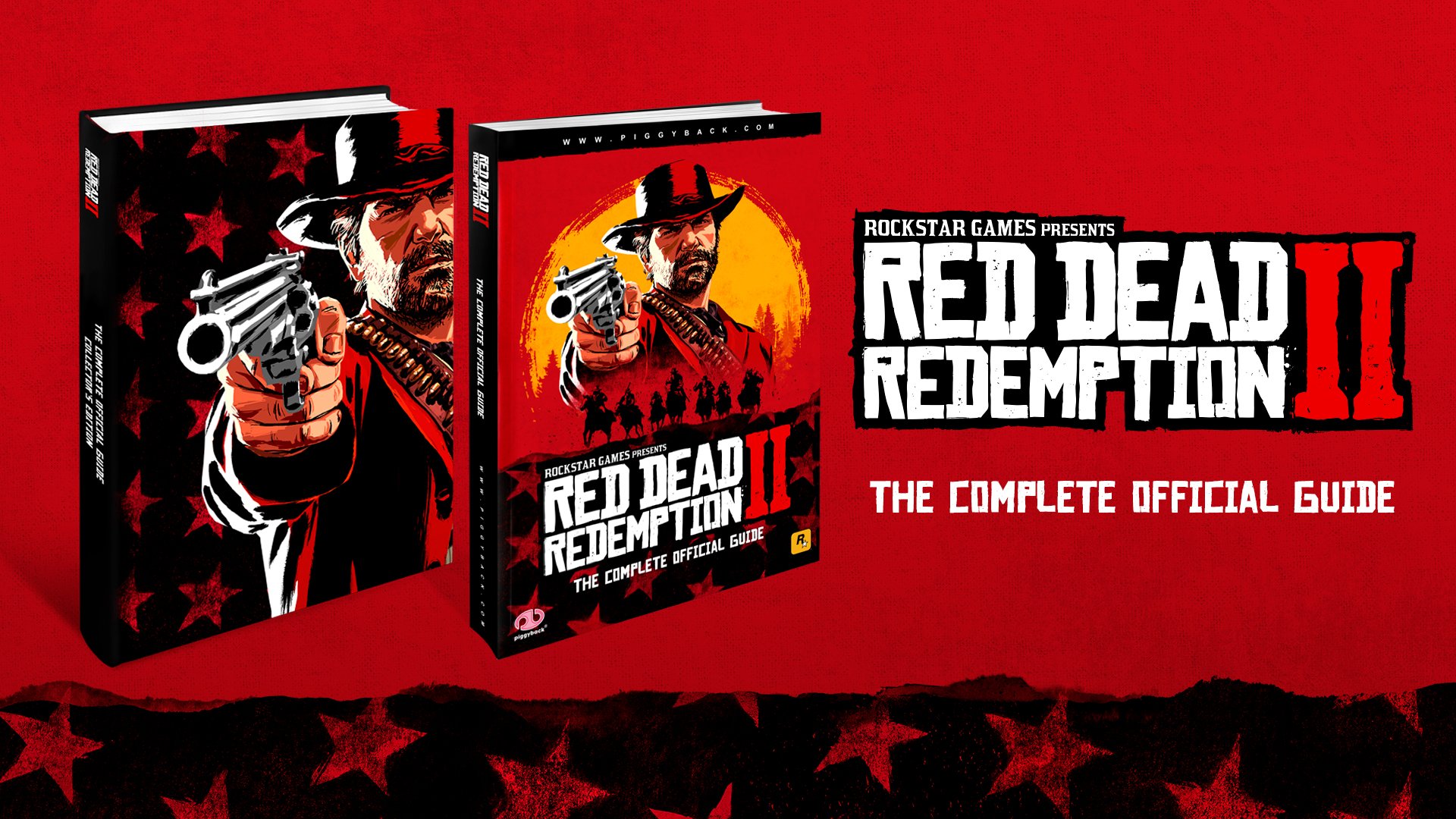
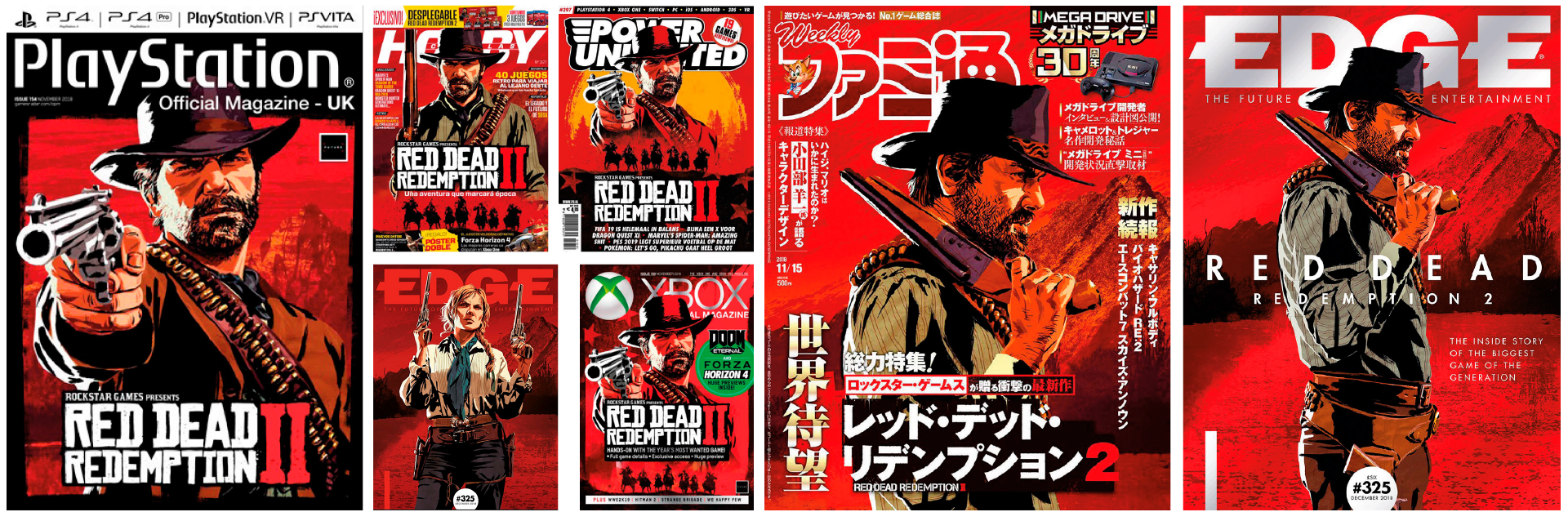
From a systems perspective, the key art became the foundation for the entire campaign. Its visual language extended across packaging, digital storefronts, social, and global marketing beats, ensuring consistency while allowing for flexibility across formats. The goal was to create something instantly recognizable at any scale, whether seen on a billboard, a console box, or a mobile screen—an image that could carry the weight of one of the most anticipated releases in entertainment.

More than just a game, Red Dead Redemption II stands as a testament to the artistry and ambition of modern game development. Its attention to detail, environmental storytelling, and cinematic presentation elevate it beyond traditional entertainment, immersing players in a world that feels both historically grounded and emotionally resonant. The campaign sought to match that level of craft—creating imagery that not only captured the spirit of the game, but helped define its place as a cultural and visual landmark.